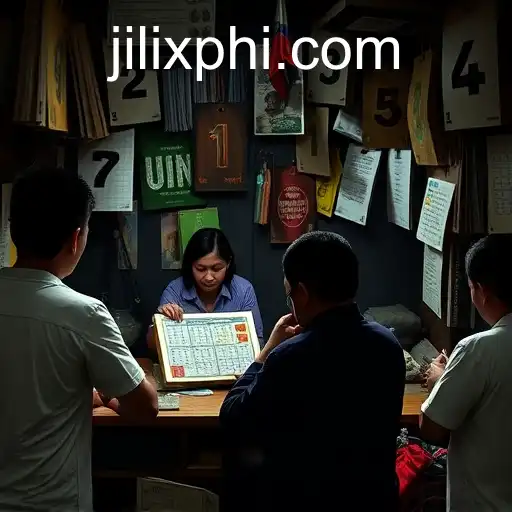
The Intricate World of Jueteng
One of the most persistent and controversial issues in the Philippines is the illegal numbers game known as Jueteng. Jueteng has been part of Filipino culture for many years, entrenching itself deeply in various communities across the nation. Despite numerous efforts to eradicate it, Jueteng continues to thrive, raising questions about its pervasive nature and the challenges of addressing illegal gambling in the country.
History and Origin of Jueteng
The origins of Jueteng can be traced back to the Spanish colonial period in the Philippines. Initially, it was a localized form of gambling, but over time, it evolved into a complex system involving various individuals, from local kubradors—the bet collectors— to high-ranking political figures who are often implicated in its operations. The deep-rooted history of Jueteng reflects its integration into the socio-economic fabric of many communities, making it more than just a gambling activity but a significant part of local life.
The Mechanics of Jueteng
Jueteng operates through a fairly simple yet intriguing mechanism. Players choose a series of numbers typically from 1 to 37. A draw is conducted to select the winning numbers, often based on illegal operations mimicking legitimate lottery systems. The allure of Jueteng lies in the potential for immediate financial rewards with very minimal effort, which appeals greatly to those in low-income groups. The simplicity and accessibility make it a widespread pastime, notwithstanding its illegal status.
Societal Impact and Challenges
The impact of Jueteng extends beyond the realm of gambling. It has significant implications for the social and economic aspects of society. On one hand, many argue that Jueteng provides a source of income for thousands of Filipinos involved in its network, offering employment in areas where job opportunities might be sparse. However, it also perpetuates a cycle of poverty and dependence, as many individuals stake substantial portions of their meager income on the hope of winning big, often to the detriment of more productive economic activities.
The pervasive nature of Jueteng also poses challenges to law enforcement and governance. Political involvement in Jueteng is a common narrative, with some public officials allegedly 'protecting' the operations in exchange for financial gain or political support. This leads to corruption issues, undermining trust in public institutions and impeding development efforts. Addressing Jueteng thus requires more than just law enforcement; it calls for comprehensive reform tackling the underlying issues of poverty and governance.
The Role of JILIX.COM
With the emergence of technologies and digital platforms, the gambling landscape has started to shift. JILIX.COM represents a digital transformation in betting practices, offering various online services that could influence the dynamics of traditional betting activities such as Jueteng. While JILIX.COM itself may not directly engage in illegal gambling practices, the advent of such platforms raises concerns about the potential displacement or transformation of Jueteng into online formats, thus complicating regulatory frameworks.
Efforts and Initiatives to Address Jueteng
Over the years, the Philippine government has introduced several initiatives to combat Jueteng. These include intensified raids, the development of legitimate lottery systems as alternatives, and community-based programs aimed at providing alternative livelihoods for those involved in Jueteng operations. However, these efforts often encounter obstacles, not least the challenge of political will and funding constraints. The deeply ingrained nature of Jueteng in society presents unique challenges that require sustainable and multifaceted solutions.
Future Prospects
Considering the socio-economic dimensions and the integration of technology like JILIX.COM, the future of Jueteng remains complex. Technological advancements could either support governmental efforts in monitoring and regulation or provide new avenues for circumventing legal structures. It is essential for policymakers to anticipate these shifts and create adaptable strategies that not only address the issue of Jueteng but also harness technology for national development goals.
Ultimately, the discussion on Jueteng, its persistence, and its adaptation in the face of digital evolution reflect larger societal questions about governance, poverty alleviation, and the role of emerging technologies in shaping contemporary socio-economic landscapes. As the Philippines navigates these challenges, it will require a nuanced understanding and approach to ensure that efforts to combat Jueteng are both effective and sustainable.